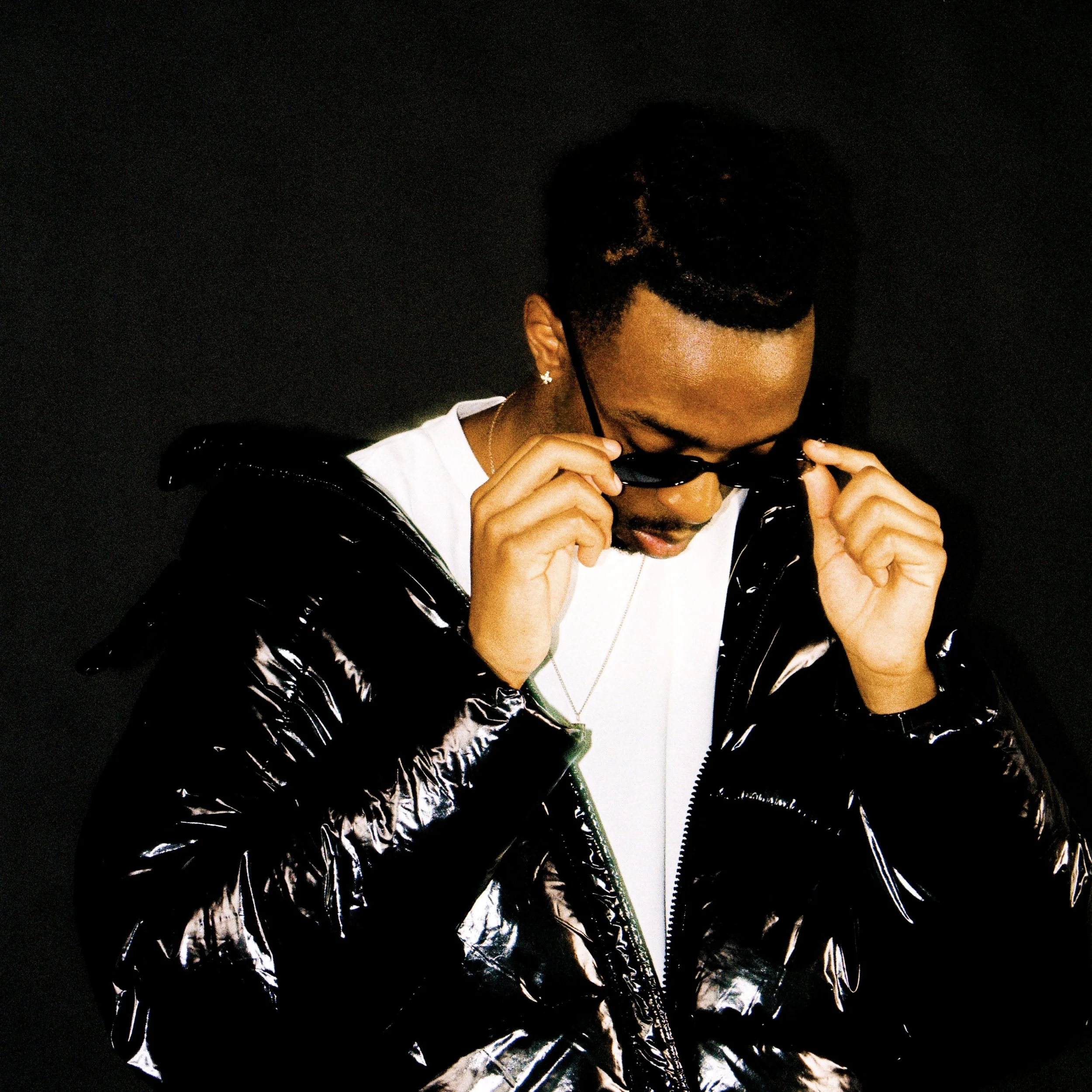
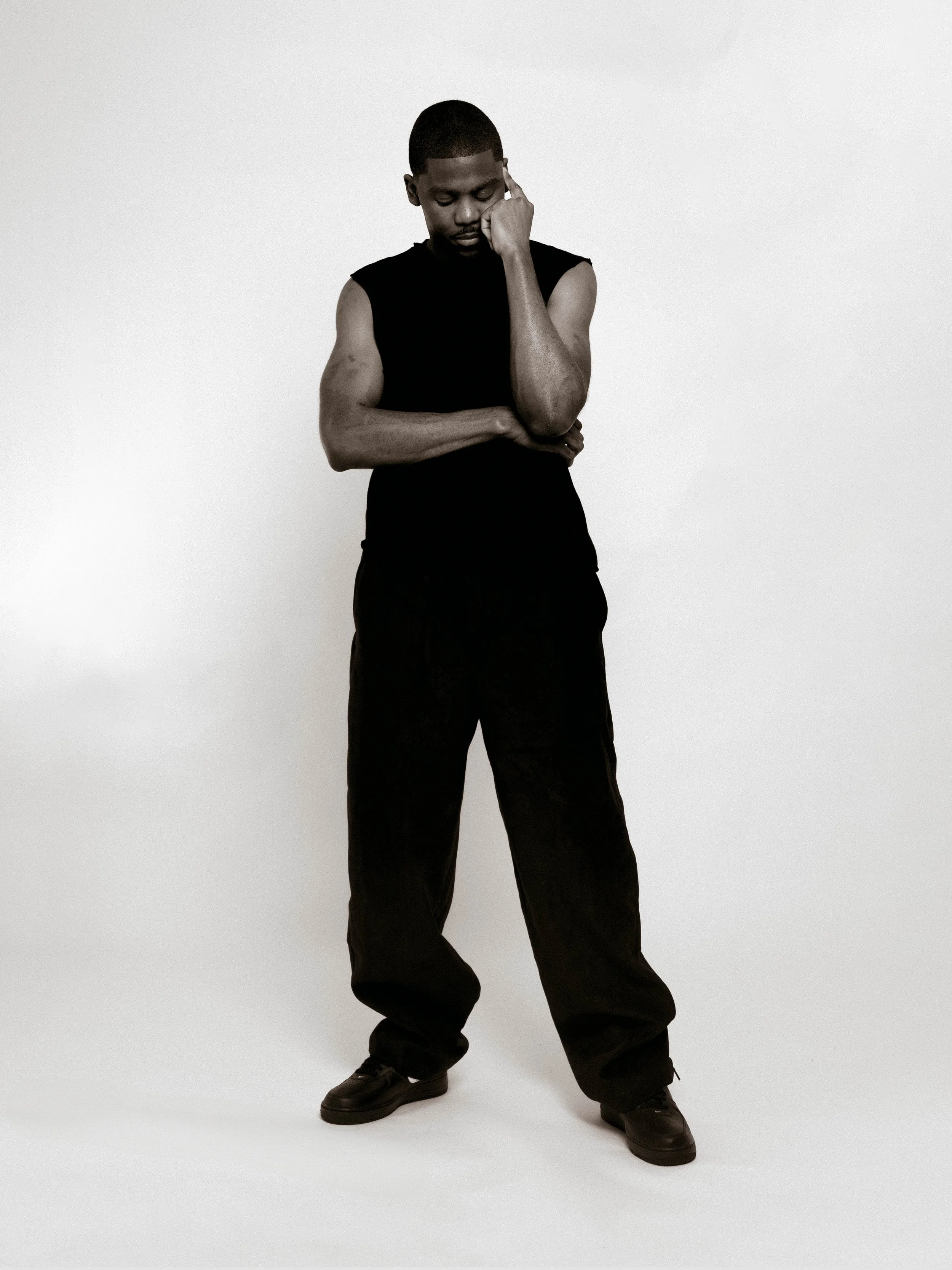
Singer songwriter
“DON’T JUST BE A PASSENGER IN YOUR OWN LIFE. TAKE THE WHEEL”
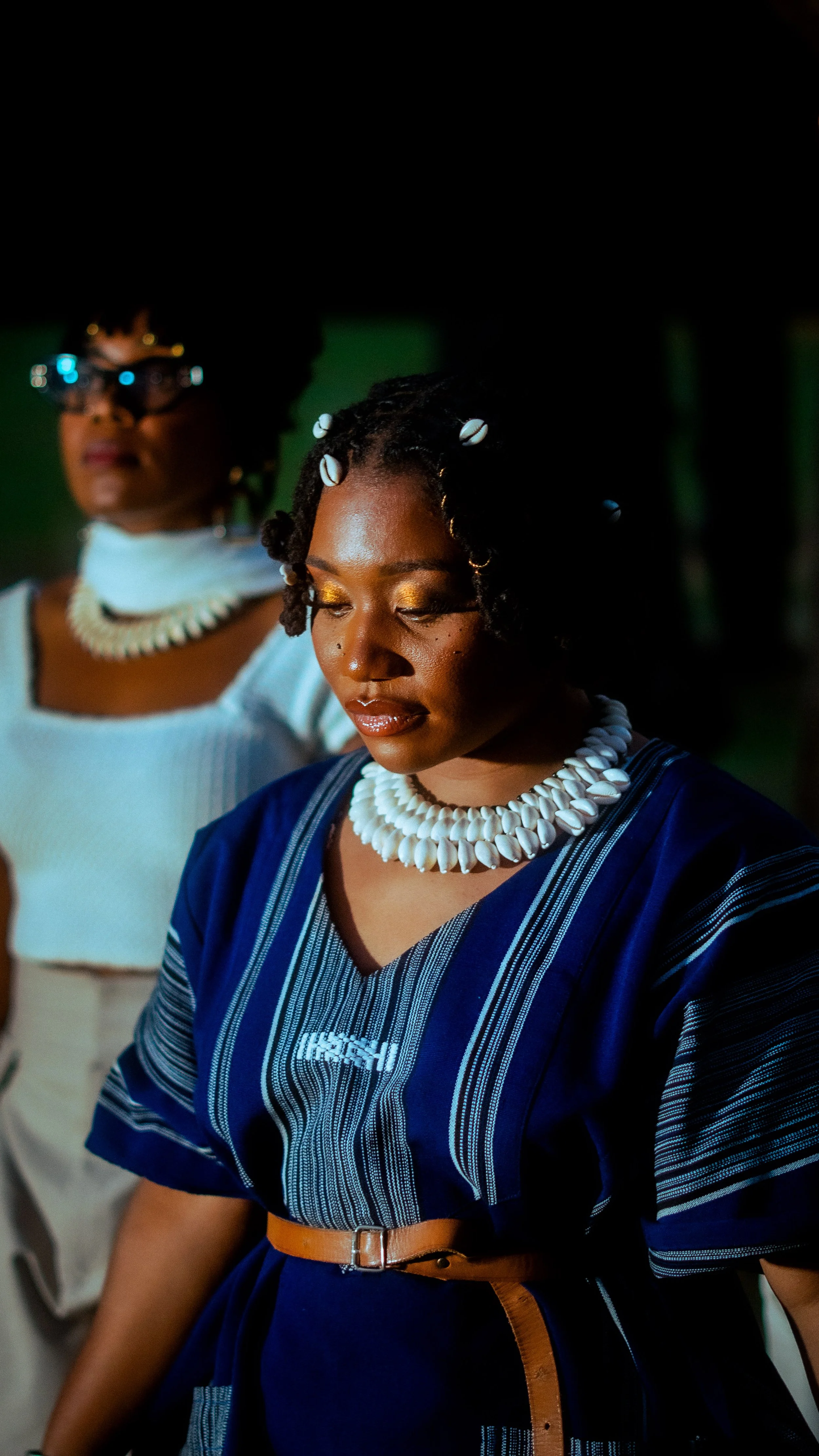
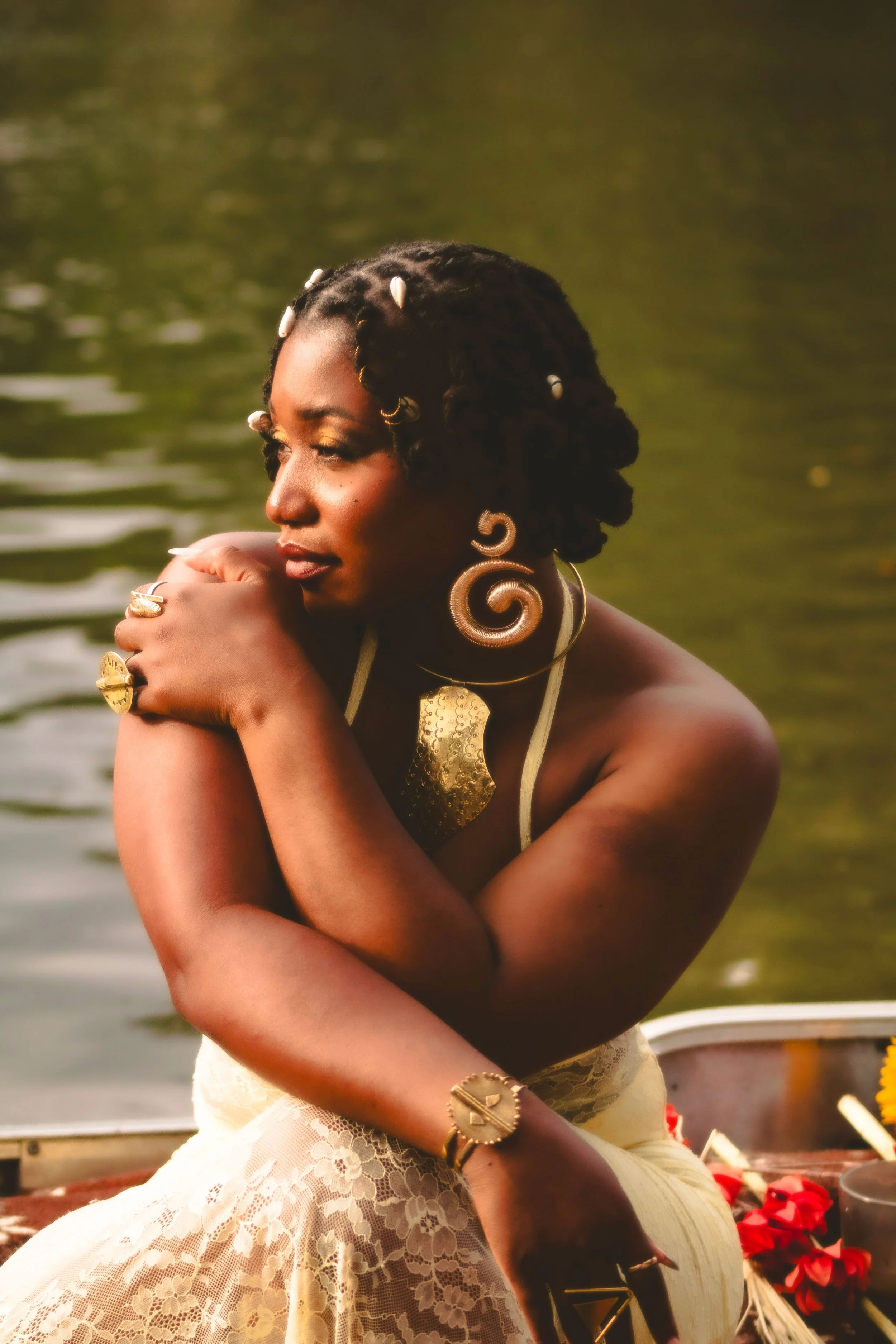
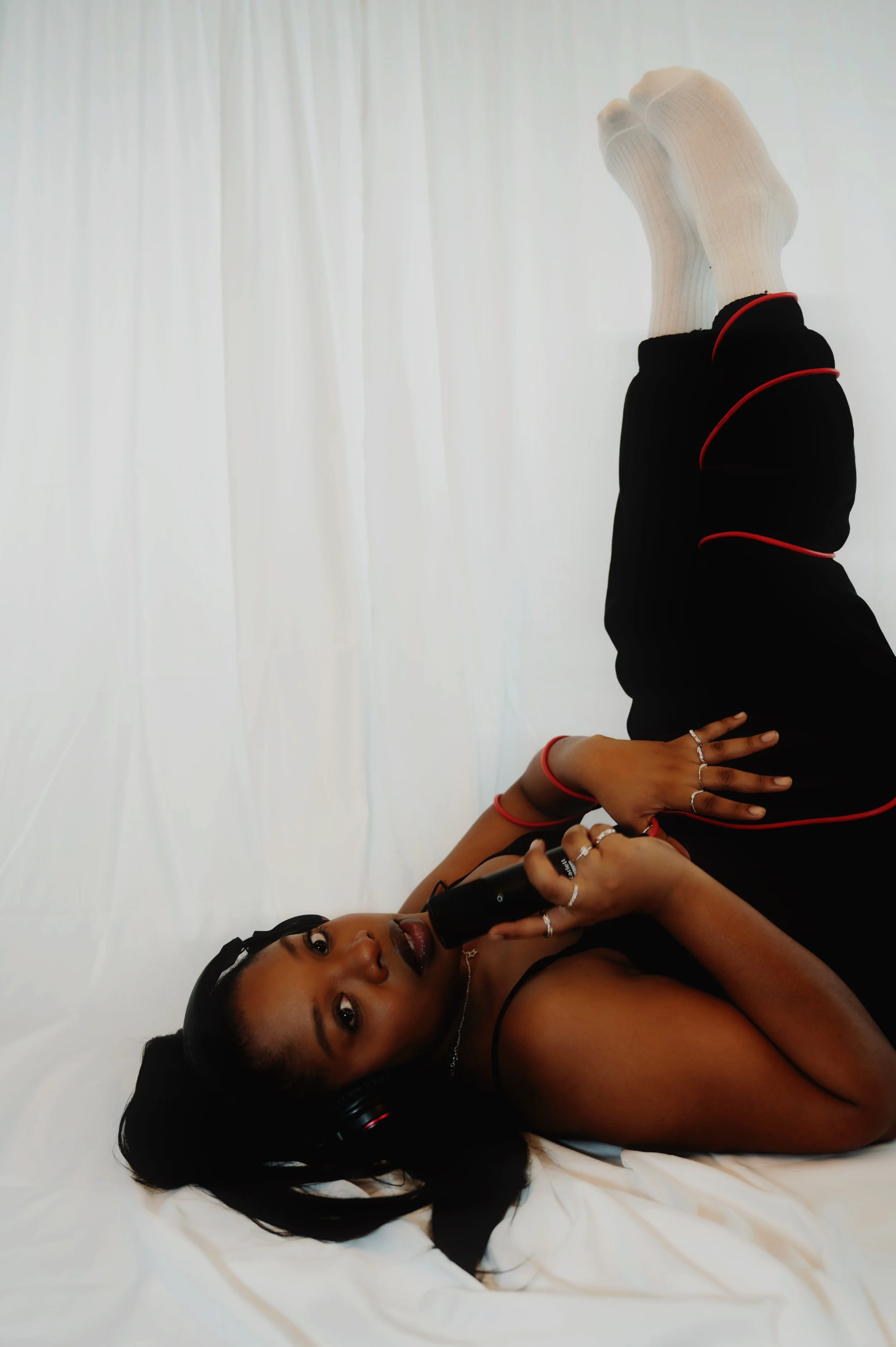
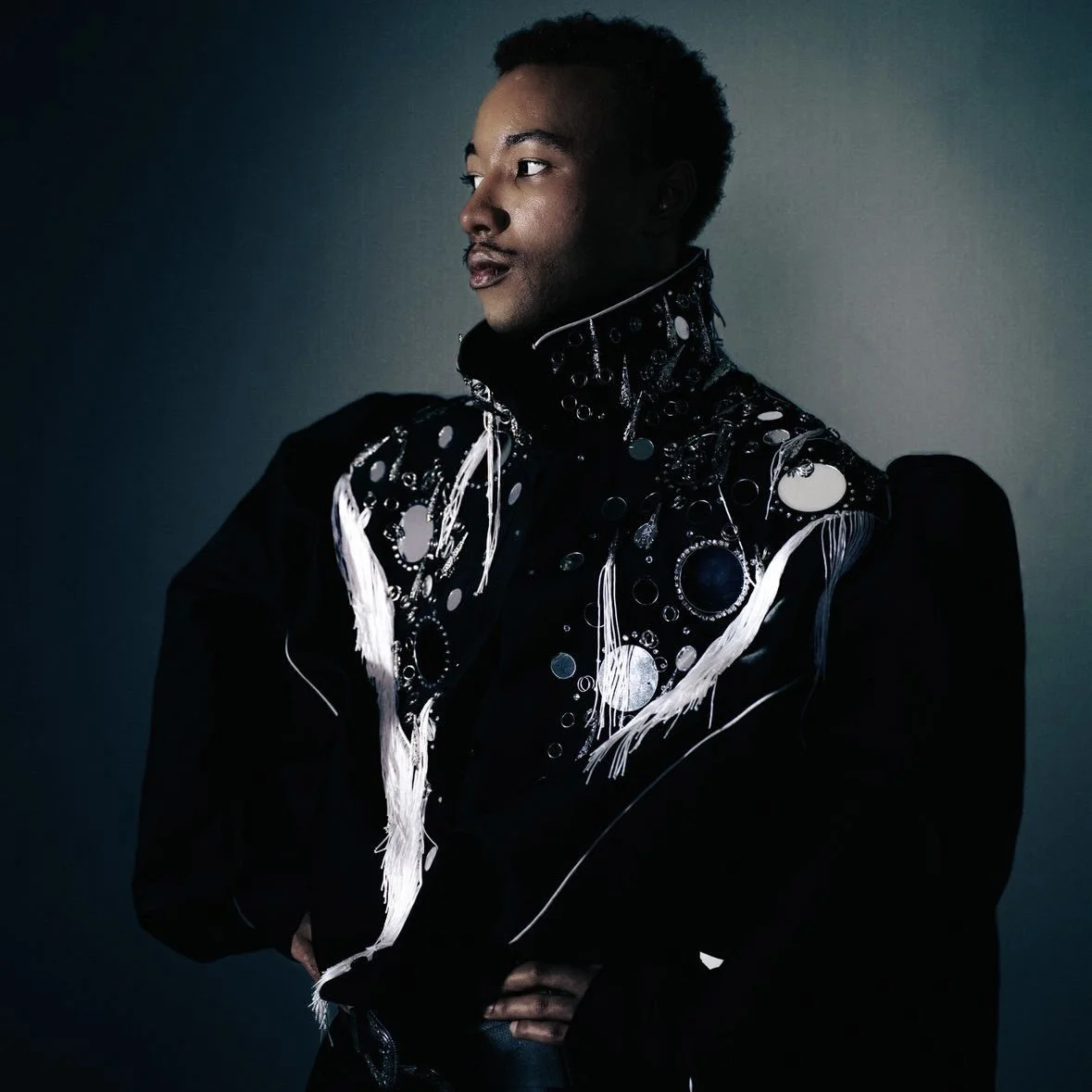
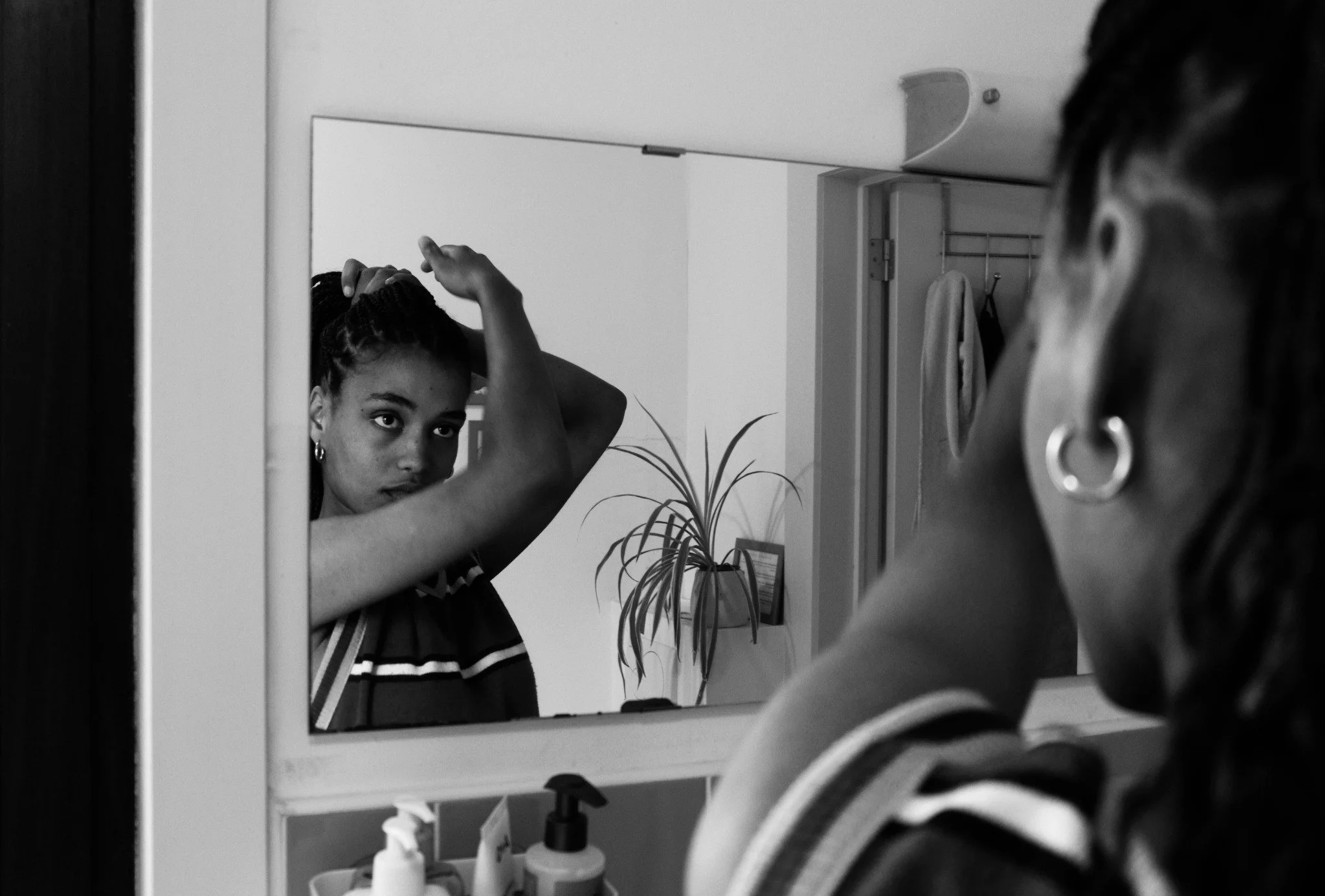
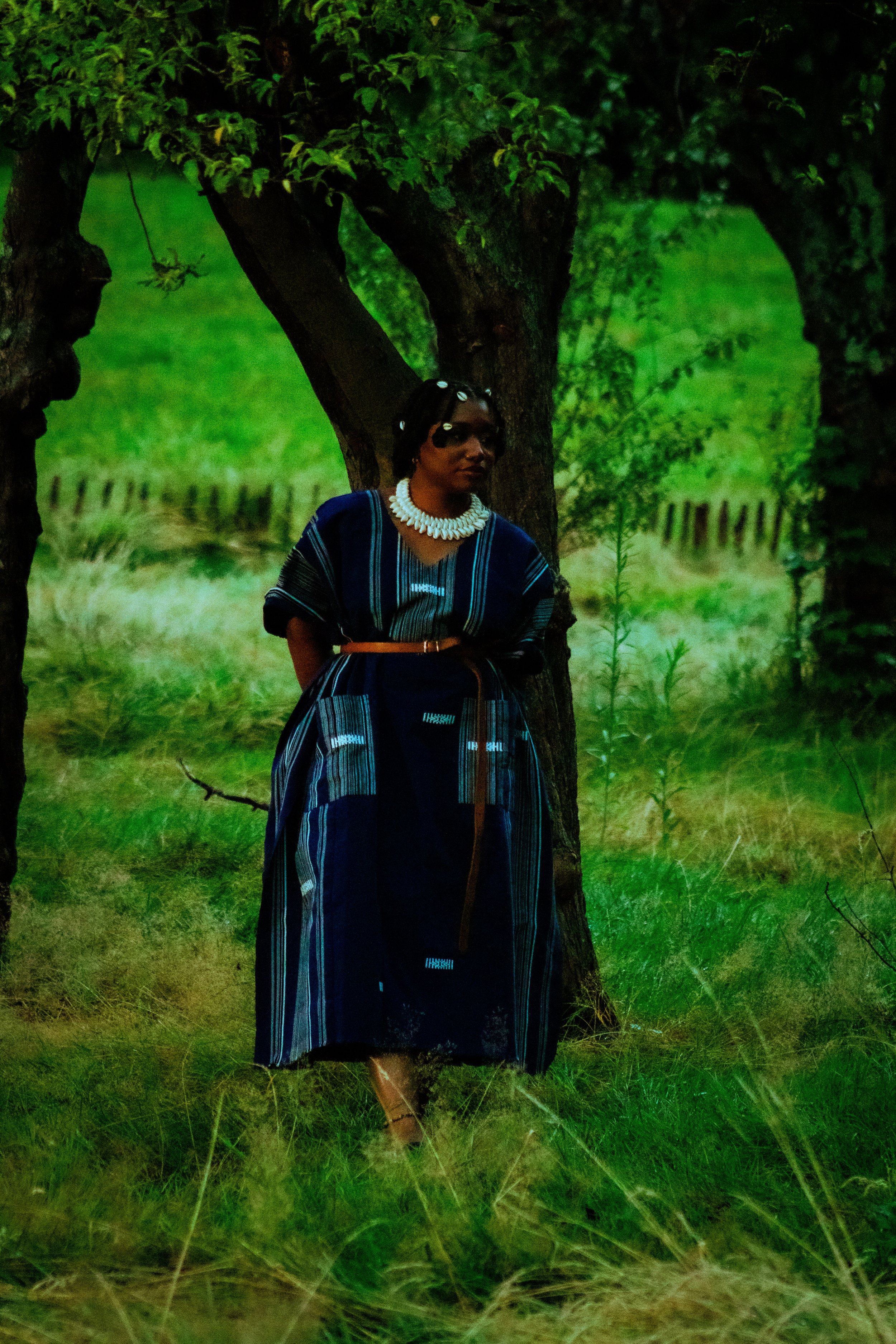
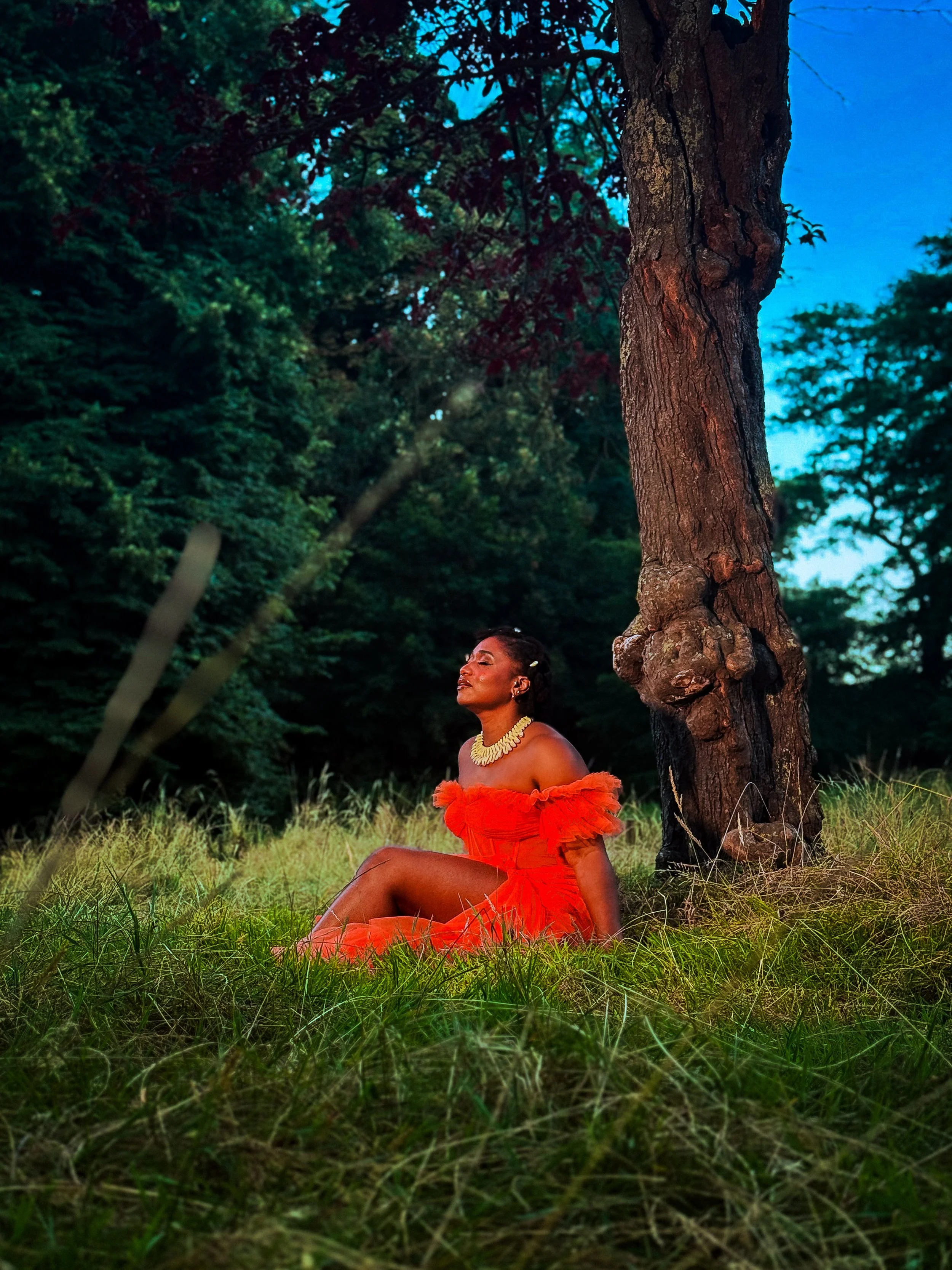
photos by @utravioletuv & @viewoftrapark
Hi! How are you doing today?
I'm doing pretty well, thank you! I'm at a point where my projects are evolving, ideas keep flowing, and I'm constantly thinking about what's next. It's exciting, but I'm also trying not to lose myself in the process. Moving forward is important, but not to the point where I forget why I'm doing all of this in the first place.
How did you first get into making music?
I almost feel like saying I never really started, because music has always been there.Both my parents are musicians. Growing up in Cameroon, music was part of my everyday life, my surroundings, my memories, and the way I experienced the world.
As a child, I never really pictured myself doing ten different jobs. I wanted to sing. And the older I got, the stronger that feeling became. I didn't know what my career would look like yet, but I knew I wanted to dedicate my life to music.
For those discovering you through Ambras, which song of yours should they listen to first, and why?
I'd say "Cynthia," without hesitation. Because that song tells the story of an encounter that has stayed with me to this day, and it says a lot about how I relate to others, about compassion, and about sisterhood.
I was 18 when I met Cynthia, a young woman who was working as a sex worker. It was nighttime, and we were sitting on a bench. We talked for at least an hour. I knew nothing about her life before that encounter, but something connected us. I didn't just see her circumstances. I saw a woman, someone I almost felt was like an older sister. I wanted to understand her story, listen to her, and know what hopes she still had for herself.
We stayed in touch over the phone. I genuinely wanted to help her, in whatever way I could at that age. Then, from one day to the next, I lost all contact with her. I was never able to reach her again. It broke my heart. I still think about her often, about our conversation, and about everything I don't know about what happened to her.
To me, "Cynthia" is also about sisterhood. That moment when another woman's story no longer feels like someone else's problem. When you feel connected to what she's going through, even when you can't change the course of things.I don't have answers about what happened to her. But I've never forgotten her face or that encounter.
Wow that’s such a powerful story. Thank you for sharing it.You grew up in a musical family. What was always playing at home?
Oh wow, it's almost impossible to make a list!
At home, we could go from Joe Cocker to Whitney Houston, from Toni Braxton to Aretha Franklin, from Diana Ross to Dalida or Charles Aznavour. And of course, there was a whole lot of Makossa! Kotto Bass, Eboa Lotin, Dora Decca…It was a real mix, and nobody thought there was anything unusual about it.
Looking back, I think it explains a lot about the way I hear and approach music today. I never grew up with the idea that I had to choose between all these influences.
Your new song, WULADA, is out! How did it come about?
It's actually quite funny because WULADA was never supposed to become what it is today!
Originally, my friend Misano Lukabwe reached out to me with an idea: creating a series of short videos for social media centered around the sunset. There was this visual concept, and as an artist, my role was simply to write and sing about what it inspired in me.But the whole thing started taking on a much deeper meaning than we initially expected.
Because when you think about it, what do we really feel when the daylight begins to fade? That moment when everything slows down, when you're left alone with your thoughts, sometimes your fears, your disappointments, your loneliness… And yet, you keep looking up at the sky. Maybe because somewhere inside, you're still searching for a little light.
From that point on, it became difficult to treat the idea as just another social media project. We had opened the door to something much deeper. So we decided to bring that metaphor to life, first through music and then through visuals.
That's how WULADA grew into what it is today. What started as a simple image became a much more intimate exploration of what we go through internally, somewhere between darkness and hope.
The song is incredible! Where do you find inspiration for your songwriting, and how do you turn an idea into a song?
For me, the melody usually speaks before the words do. I might have a tune playing on repeat in my head, or hear an instrumental that immediately triggers something. An emotion, a memory, sometimes even a conversation I've never had the courage to have. And once that happens, the writing can come pretty quickly.
What really fascinates me is human relationships. Love, of course, but especially everything that comes with it: our expectations, the things we project onto others, rejection, disappointment, self-worth… The things a parent, a friend, a partner, or even society itself can stir up inside us.
I feel like we're pretty comfortable talking about love when it makes us happy. But we're much less comfortable talking about what it reveals when it hurts us. And yet, that's often when we learn some of the hardest things about ourselves.
I don't believe every wound has to become a lesson. Sometimes, you're simply not there yet. But I deeply believe in the possibility of moving forward, even when you don't know how.
And for me, singing about these things genuinely helps. It's my own form of therapy. It allows me to release certain emotions, to look at them from a different perspective. And thankfully, I also write about the beautiful sides of love!
What's one thing you're particular about in the studio?
Weirdly enough, the studio isn't necessarily my favorite place to make music! I love performing live. That freedom to interpret a song differently depending on how you're feeling in the moment.
In the studio, there's naturally a more technical side to things. Sometimes there are so many steps between the emotion you're trying to express and the final result.So there's one thing I'm really particular about: the intention behind my vocals. I need to believe what I'm singing. The energy has to feel right, the emotion has to be there. It's not just about hitting the right note.
And I love hearing a human voice. The breathing, the textures, even those little imperfections. I'd rather hear the natural character of a voice than a version that's been transformed too much. Basically, my ideal is to capture that same sense of freedom I feel on stage, but in the studio.
You've performed quite a few times! Which song do you look forward to performing the most, and why?
"My Fault," without hesitation. It's a song about a woman experiencing domestic abuse, but musically, it's quite upbeat, almost bold. And that contrast is completely intentional.
When I imagined this song, I didn't want this woman to be portrayed only through her suffering. What she's going through is extremely serious, of course. But I also wanted people to hear her anger, her strength, her voice. I wanted her to be able to confront her abuser without her words being reduced to a cry of despair.
To me, a woman can be deeply hurt without being defined by her pain.And on stage, I particularly love bringing that idea to life. There's an energy in this song that gives her words a whole new dimension.
Do you still get nervous before a show? What helps you get into the right headspace?
Oh, absolutely! And I think a lot of that nervousness comes from how much these moments mean to me. For me, stepping on stage isn't just about singing my songs and leaving. It's about giving something of myself, my energy, my experiences.
I almost see it as being of service to the audience. I know that might sound a little unusual, but that's genuinely how I feel about it. So when the nerves kick in, I try to shift my focus. I stop obsessing over my performance, over what could go wrong, or how people might perceive me. Instead, I remind myself why I'm there and what I've come to share.
I deeply believe in the power music has over our emotions. A song can shake us, comfort us, make us reflect, or sometimes even help us release something, if only for a few minutes. I always hope people leave my shows feeling like they've experienced something meaningful, whatever emotions it may have brought up for them. Something has to move them! That's the intention that helps me push past my nerves.
If we passed you the aux right now, what's the first song you'd put on?
"Beautiful" by Mali Music!
Can we get a little sneak peek of what's coming next for you?
2027 is shaping up to be an important year for me! I'm planning to release three or four singles before my second EP, which we're currently aiming to release in September. And this time, I'm going to push myself much further in terms of how much I'm willing to reveal about myself.
The project will explore the different men who have been part of my life. Those who loved me, those who hurt me, those who taught me things about myself… And most importantly, the marks they've left on the woman I've become.Until now, I've often approached pain, rejection, or disappointment from a fairly universal perspective. In this next project, those emotions will have faces, stories, and memories that belong to me.
And honestly, that scares me. Because there's a difference between singing about vulnerability and exposing your own wounds to the world. There's the fear of judgment, the fear of being misunderstood, and that strange feeling of giving people access to parts of yourself you've spent a long time protecting. But I also feel that this is where I want to go artistically. Not just talking about what we feel, but daring to reveal where some of those emotions come from. With all the contradictions, the struggles, and the resilience that have helped shape the person and artist I am today: DJENGUE.
We’re looking forward to it!! Tell us something to inspire the culture!
There's a quote from Love Jones, one of my favorite movies, that has always stayed with me: "It's about reaching your level, not theirs." And one thing I truly believe: what doesn't kill you doesn't automatically make you stronger. You have to choose to work through it. Don't just be a passenger in your own life. Take the wheel. And trust me, I'm preaching to myself first!